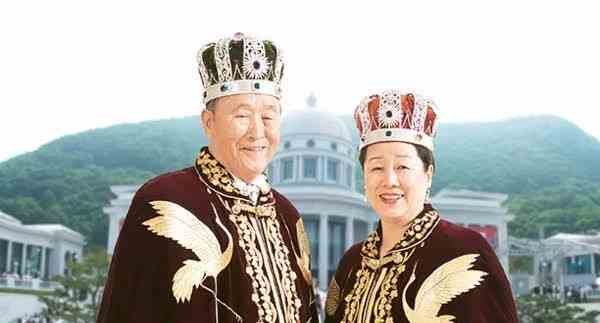
The relationship between religion and political power is once again under intense scrutiny in South Korea. At the center of the controversy is the Family Federation for World Peace and Unification, widely known as the Unification Church, and allegations that its financial and organizational resources were used to build political influence.
The issue gained renewed attention on August 31, 2026, when the Seoul Central District Court sentenced church leader Hak Ja Han to two years in prison. The court found her guilty of violating political funding laws and of offenses involving improper solicitation and bribery. Prosecutors and the court said the activities were connected to efforts to expand the church’s political influence. Han has denied wrongdoing, and the church said it plans to appeal.
What Is the Unification Church?
Founded in South Korea in 1954 by Sun Myung Moon, the organization formally known as the Family Federation for World Peace and Unification developed into an international religious and business network.
Over the decades, the movement established relationships with political figures in several countries. Its political connections became particularly controversial in Japan after the 2022 assassination of former Prime Minister Shinzo Abe exposed longstanding links between the church and members of Japan’s Liberal Democratic Party.
A Reuters investigation identified numerous LDP lawmakers who had attended church-related events, received political support, or maintained other connections with the organization and its affiliates. The LDP subsequently acknowledged widespread interactions between its lawmakers and the church network.
South Korea’s Political Influence Controversy
The latest South Korean case centers on allegations that church-linked resources were used to gain access and influence within the political establishment.
According to the court ruling reported by Reuters and AP, the case included 100 million won provided to a ruling-party lawmaker before the 2022 presidential election, as well as luxury goods given through an intermediary to former First Lady Kim Keon Hee. The court concluded that these activities were connected to an effort to increase political influence and obtain favorable treatment for church interests.
Han rejected the allegations that she personally directed the illegal activities. The church has also disputed the court’s conclusion that she knowingly ordered or approved the actions and has said it will appeal.
Why the Case Matters Beyond One Church
The controversy raises a much broader question: where should the line be drawn between legitimate religious participation in public life and improper political influence?
In a democratic society, religious organizations and their members have the right to express political opinions, support causes, and participate in elections within the law. Political engagement by a religious organization is not automatically evidence of corruption.
The critical issue is whether money, gifts, organizational resources, or political access are exchanged for governmental favors or influence outside legitimate democratic processes.
That distinction is especially important because religious organizations can possess substantial financial resources, highly organized memberships, and international networks.
Japan Offers Another Warning
South Korea is not the only country where the Unification Church’s political relationships have become controversial.
In Japan, the 2022 assassination of Shinzo Abe brought renewed attention to the church’s relationships with politicians. Reuters reported that the Liberal Democratic Party acknowledged interactions between many lawmakers and the organization or its affiliates. Former members also described financial pressure and aggressive fundraising practices, allegations the church has disputed or said it has changed.
The Japanese controversy demonstrated how religious organizations can become politically influential when politicians seek organized supporters while religious groups seek access, legitimacy, or policy influence.
Religion, Politics and Democratic Accountability
The Unification Church controversy should therefore not be reduced to a simple argument about religion versus politics.
The deeper issue is transparency.
When religious organizations interact with politicians, voters should be able to determine who provided financial support, what organizations were involved, and whether political access resulted in preferential treatment.
Likewise, politicians should be accountable for their relationships with religious organizations and private interest groups.
The South Korean case will continue to develop as the church appeals the verdict. But regardless of the final legal outcome, the controversy has renewed an important democratic debate: How can religious freedom be protected while preventing money and organized religious influence from distorting political decision-making?
That question extends far beyond the Unification Church. It is a challenge faced by democracies whenever religious conviction, financial power, organized voting blocs, and political influence intersect.
FAQ
What is the Unification Church?
The Unification Church is the common name for the Family Federation for World Peace and Unification, a religious movement founded in South Korea in 1954 by Sun Myung Moon.
Why is the Unification Church facing political scrutiny in South Korea?
The organization has faced scrutiny over alleged political funding, gifts to political figures, and efforts to gain political influence. In August 2026, a South Korean court convicted leader Hak Ja Han and sentenced her to two years in prison. The church disputes the ruling and plans to appeal.
Was Hak Ja Han convicted of bribing politicians?
The court convicted Han of offenses including violations of political funding laws and improper solicitation and bribery-related conduct. The ruling involved money provided to a politician and luxury goods given to former First Lady Kim Keon Hee through an intermediary. Han denied directing the illegal activities.
Does religious political participation automatically mean corruption?
No. Religious organizations and individuals generally have the right to participate in political life. The legal and ethical question is whether political participation involves prohibited funding, bribery, improper influence, or an exchange of political favors.
Has the Unification Church faced political controversy outside South Korea?
Yes. Japan has been a major focus of controversy, particularly since the 2022 assassination of former Prime Minister Shinzo Abe exposed longstanding relationships between the church and numerous politicians.