Incheon, Chinatown, and the Place of Ethnic Minorities
From the History of an Open Port to the Future of a Multicultural Society
Incheon is one of the gateways through which Korea opened itself to the world. Through its port, people of different nationalities, languages, and ethnic backgrounds arrived and began building new lives.
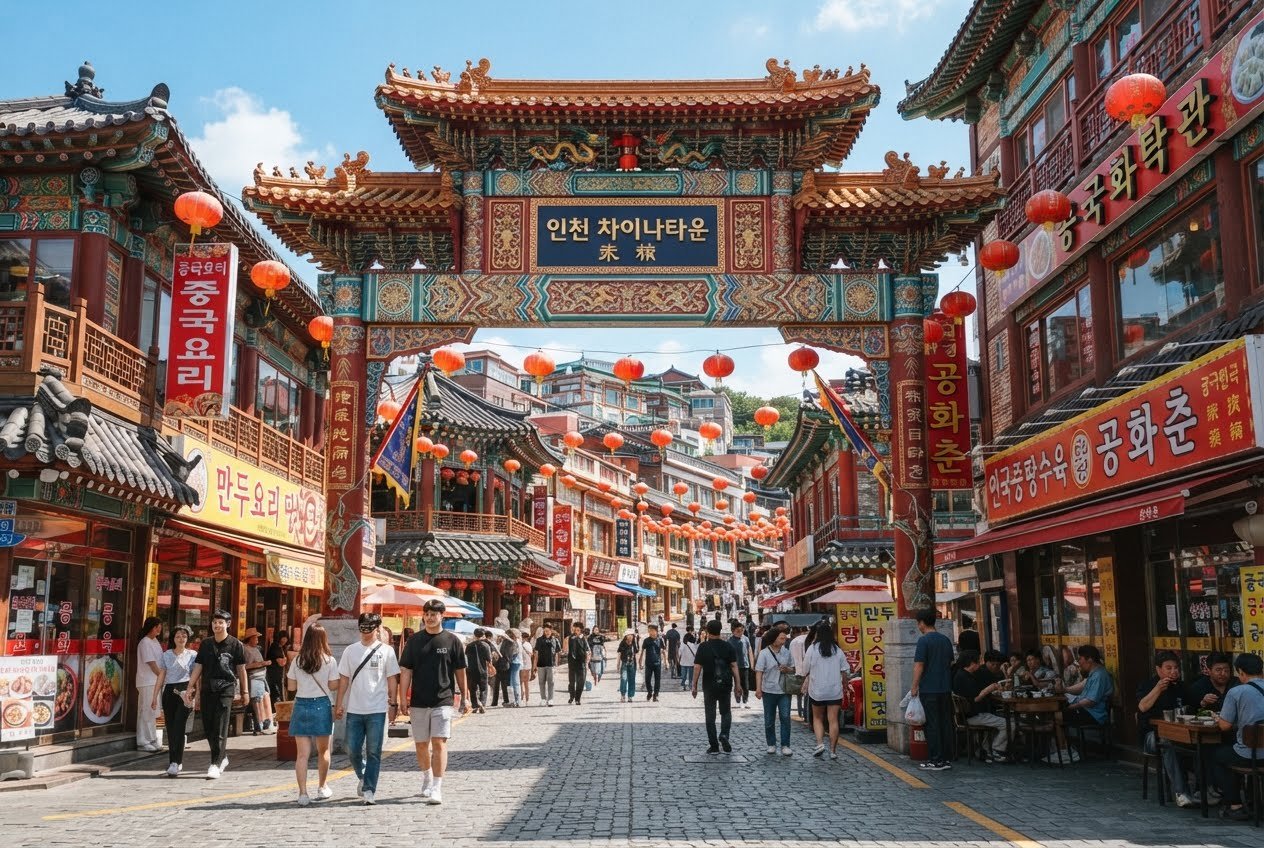
One of the most visible reminders of this history is Incheon’s Chinatown.
Yet Chinatown is not merely a tourist destination of Chinese restaurants, colorful gates, and unfamiliar street scenes. Behind its appearance lies a deeper history of migration, settlement, survival, and cultural identity, carried by generations of people who have lived alongside Korean society.
It also invites a broader question:
What place should ethnic minorities have in a society? Are they merely guests in a majority culture, or are they equal members who help shape its history and future?
1. Incheon Opened Its Port in 1883 and Encountered the World
The opening of Incheon Port in 1883 transformed the city’s future. Incheon became a center of international trade and migration, attracting merchants and settlers from abroad.
In 1884, a Chinese concession was established, laying the foundation for the residential and commercial community that would develop into today’s Chinatown. According to the National Museum of Korean Contemporary History, this settlement was the starting point of the Chinese presence in the city. Many early settlers came from China’s Shandong Province. As the Incheon Institute’s research on overseas Chinese in Incheon documents, they established businesses, traded goods, supported their families, and gradually built a lasting community.
Incheon’s history was never shaped by Koreans alone. Chinese settlers also contributed to the city’s economy, culture, and everyday life.
2. Is Chinatown a Chinese Enclave or Part of Incheon’s History?
Cross the street from Incheon Station, and a traditional red Chinese-style gateway welcomes you to Chinatown. Along its streets you will find Chinese architectural features, restaurants, shops, and cultural symbols.
For visitors, the area offers a colorful and unfamiliar atmosphere. For the Chinese Korean community, it is also a place shaped by generations of family life, business, and cultural continuity.
To understand Chinatown, we need to look beyond its appearance and recognize the human history embedded in its streets. Its food culture is one of the clearest examples of how different cultures meet and create something new.
3. The History of Migration and Cultural Exchange in a Bowl of Jajangmyeon
Jajangmyeon, Korea’s beloved black bean sauce noodles, is among the most recognizable symbols of the relationship between Incheon and its Chinese community.
Its roots lie in Shandong-style noodles and black bean sauce dishes. Over time, the dish adapted to local tastes and everyday life in Korea, becoming the distinctive Korean-Chinese food enjoyed across the country today.
To explore this story in person, visit the Jjajangmyeon Museum, housed in the former Gonghwachun building. The museum presents the evolution of jajangmyeon, reconstructed dining and kitchen spaces, and the development of Korea’s food delivery culture.
A familiar dish was transformed through the encounter of different cultures. This is more than culinary history. It shows how the everyday traditions of immigrants became part of Korean society and grew into a new cultural identity.
4. What Place Should Ethnic Minorities Have in a Majority Society?
As we walk through Chinatown, another question deserves our attention. Do we still regard people as outsiders even when they have lived in Korea for generations, were born here, and grew up as part of Korean society?
The Chinese community in Incheon has maintained a long relationship with Korea, contributing to local commerce, food culture, education, and community life. Yet minority communities are sometimes valued only when their presence serves the interests of the majority.
If a society welcomes immigrant workers when the economy needs labor, celebrates ethnic culture when tourism needs attractions, but treats those same people as outsiders when questions of dignity and social rights arise, that is not genuine coexistence.
Ethnic minorities should not have to depend on the goodwill of the majority to justify their existence. They are participants in shaping society’s economy, culture, history, and communities.
Of course, overseas Chinese communities, migrant workers, marriage immigrants, and international students have different legal statuses and life experiences, and they should not be treated as one identical group. Nevertheless, the principle that no one should face discrimination because of their origins or cultural background must apply to everyone.
5. Cultural Diversity Is a Matter of Rights, Not Charity
Discussions of multiculturalism often emphasize understanding, tolerance, and kindness. These values matter, but the place of minorities in society should not depend solely on the generosity of the majority.
The right to maintain cultural identity, to be free from discrimination, to participate in education and economic life, and to have a voice in community decisions is not charity. These are matters of equality and human dignity.
Preserving Chinatown’s historical environment therefore means more than protecting old buildings and streets. It means respecting the memories, traditions, and everyday lives of the people who created the place. Visitors may come for the food and the scenery, but the true substance of Chinatown is its people’s history.
6. Looking at Incheon’s International History from Jayu Park
A walk uphill from Chinatown leads to Jayu Park, also known as Freedom Park.
Established in 1888, only five years after the port opened, Jayu Park is recognized as Korea’s first Western-style modern park. From its elevated paths, visitors can look out over Incheon Port and the surrounding old city. The park also contains historical monuments, including the statue of General Douglas MacArthur and the Korea-U.S. Centennial Monument.
The park encourages reflection on Incheon’s experience of international exchange, modernization, war, and urban transformation. Walking from Chinatown to Jayu Park brings several layers of history together within one city.
7. Three Historic Places to Visit in Incheon
First: Incheon Chinatown
Walk through the traditional Chinese-style streets, see the red gateways, and explore the restaurants and shops. This is the best place to experience the visible heritage of the Chinese community and the history of Incheon’s opening as an international port.
Second: Jjajangmyeon Museum
Located in the former Gonghwachun building, the museum tells the story of jajangmyeon and its transformation, offering a fascinating perspective on Chinese migration and the evolution of Korean food culture.
Third: Jayu Park (Freedom Park)
Established in 1888, this historic park offers views of Incheon Port and the old city. It is an excellent place to reflect on Korea’s opening to the world and its modern transformation.
These three destinations can be connected in a half-day walking itinerary. Please check the museum’s opening hours and closing days before your visit.
Conclusion: The Character of a City Is Revealed by the Place It Gives to Minorities
A city’s quality cannot be measured only by the height of its buildings or the number of tourists it attracts. It is also revealed by how people from different cultural backgrounds are treated, whether they can preserve their identities, and whether they can take part in decisions that shape their communities.
Incheon Chinatown reminds us of the past while asking us to consider the future. Are we content to observe and consume other cultures, or are we also prepared to live alongside the people who have preserved them, as members of the same community?
Ethnic minorities do not exist by permission of the majority. They are participants in shaping a city’s past, present, and future. Incheon has a history of opening its doors to the world, and it should now turn that legacy into a practical commitment to coexistence.
A truly international city is not measured by how many foreign cultures it displays, but by whether people from different backgrounds can live as equal members of society without having to abandon their identities.
The true value of Incheon Chinatown does not lie merely in its Chinese-style streets. It lies in recognizing the history, dignity, and contributions of the people who have lived there. That is the most meaningful expression of the character Incheon can share with the world.