YongsanCats and Korea’s Compassion for Animals
In the alleys of Seoul, countless small lives go unnoticed. Street cats move between old buildings in search of food, shelter from the cold, and safety from unfamiliar footsteps. For them, an alley is far more than a passageway: it is a place to eat, a refuge from danger, and a home they defend every day.
When a city changes and buildings come down, what looks like a construction site to us can mean the sudden loss of an entire world for the cats who lived there. This is where the story of YongsanCats begins.
The Small Lives We Discover in Our Alleys
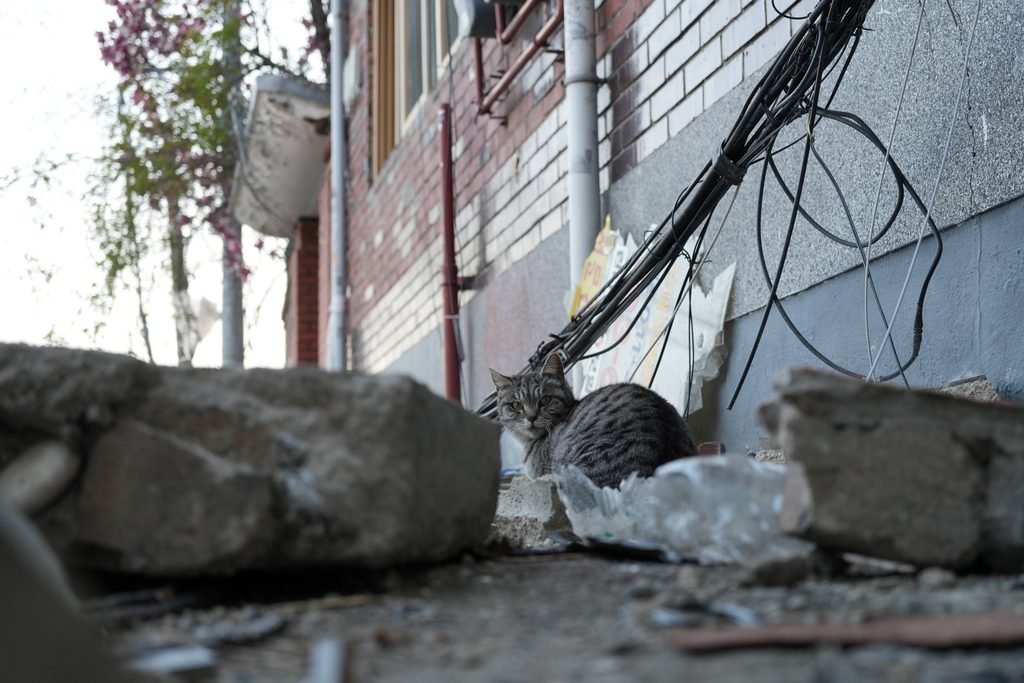
At first glance, the first photograph shows an ordinary scene: a narrow, dimly lit alley lined with old buildings. Yet even in places we pass without a second thought, living beings depend on their surroundings. Street cats forage, avoid danger, and raise their kittens in the hidden corners of the city.
Urban development may create opportunities for people, but it can threaten the survival of animals. Demolition and redevelopment remove hiding places, destroy familiar feeding spots, and separate cats from the people who have looked after them.
YongsanCats documents and rescues street cats in Seoul’s Yongsan area, connecting them with veterinary treatment, temporary foster care, and, where appropriate, adoption. Recording each cat through photographs, stories, and identifying details is the first step toward ensuring these animals do not vanish as anonymous lives.
A Mother Cat and Her Newborn Kitten: The Importance of Care
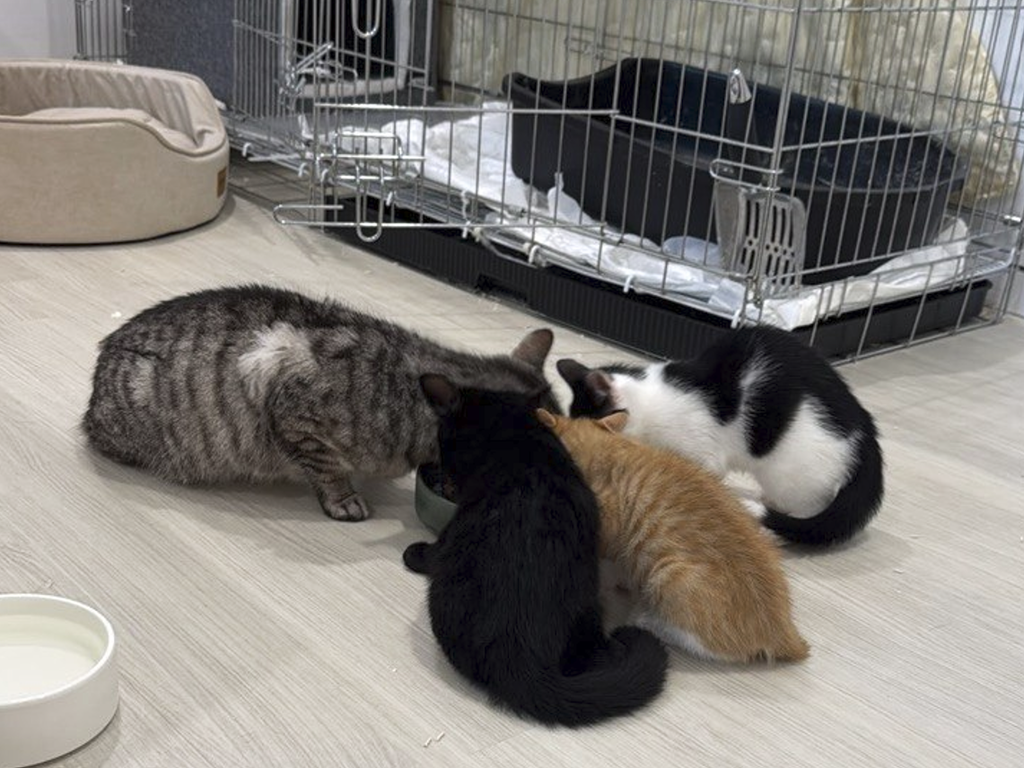
The second photograph shows a gray tabby mother lying close to a tiny kitten, her body low and protective. The image reflects a simple truth: rescue is only the beginning. A newborn cannot find food or escape danger on its own, and the mother must stay healthy enough to care for it.
What they need is far more than a single meal. They need a safe environment, appropriate veterinary care, time to recover, and continued support until they can live safely. A rescue does not end when an animal is removed from danger. It continues through medical treatment, protected recovery, and, ultimately, a long-term plan for a safe and healthy life.
Looking at this mother and her kitten, we are led to ask:
Should we turn away from a life simply because it is small and vulnerable, or because it cannot explain its suffering in human language?
This is where compassion for animals begins.
Korea’s Love for Animals: Turning Compassion into Action
Public interest in animal welfare in South Korea continues to grow. Alongside those who regard companion animals as family, many citizens feed street cats, seek help for injured animals, and volunteer their time to protect vulnerable lives. Residents who care for community cats, veterinarians who provide treatment, volunteers who open their homes as fosters, and adopters who welcome rescued animals all show that love for animals can take the form of meaningful action.
Yet caring for street cats cannot be solved by individual kindness alone. Conflicts between residents, concerns about sanitation and the local environment, the need for sterilization and disease management, and a shortage of safe shelter are all part of the reality. Genuine compassion therefore requires both a caring heart and responsible action.
Relocation is not necessarily the best solution in every case. Depending on the circumstances, rescue, veterinary treatment, sterilization, responsible management of the existing habitat, temporary foster care, and adoption may all need to be considered together. In redevelopment areas, where familiar habitats are disappearing, it is especially important to ask where cats can safely go and who will continue to care for them.
A society where people and animals coexist should not be built by removing one side from the picture, but by considering the safety and needs of both.
The Message of YongsanCats: Remembering Every Life as an Individual
One of the most meaningful aspects of YongsanCats’ work is that it lets us see rescued cats as individuals rather than numbers. By documenting each cat’s appearance and circumstances, sharing information about animals in need of treatment or protection, and connecting them with foster carers, adopters, and supporters, rescue organizations give more people a way to take part.
As cities change rapidly, the animals that once lived in their neighborhoods are easily forgotten. When alleys are transformed, the routes cats traveled, the places they found food, and the spaces where they sheltered disappear with them. A photograph, a name, and the attention of another person can preserve the record of a life that might otherwise go unnoticed. Once we remember an individual cat, it is no longer part of the city’s background; it becomes a living being whose welfare matters.
How We Can Help
Supporting animal welfare does not always demand a major commitment. Even small actions can make a difference when they suit our circumstances.
- Adopt: If you are ready to welcome an animal into your home, first learn about its personality, health, and long-term care needs.
- Foster: If permanent adoption is not possible, temporary fostering can help a rescued animal recover and prepare for a new home, provided you have the time and a suitable environment.
- Donate: Financial contributions help cover essentials such as food, litter, transportation, and veterinary treatment.
- Share information: Sharing rescue stories and adoption notices helps animals reach potential adopters and supporters.
- Look out for animals in your community: If you encounter an animal in distress, avoid handling it in a way that could cause further harm. Contact a local rescue organization, veterinary clinic, or the relevant animal welfare authority.
Above all, adopting an animal is a long-term commitment. Responsible preparation matters more than an impulsive decision, and those who support rescue work should choose forms of help they can sustain over time.
To learn more about YongsanCats’ rescue work, the cats in its care, and opportunities for adoption, fostering, and donation, visit the official website: https://yongsancats.com/en
Toward a More Compassionate City
A city’s progress cannot be measured only by the height of its buildings or the width of its roads. How it treats the living beings who share its spaces is equally important. For a street cat, a familiar alley may be its entire world. For a mother cat, a small, safe place to rest beside her kitten may mean everything.
When people notice these animals, recognize the dangers they face, and help in whatever ways they can, cities gradually become more compassionate. Love for animals in Korea is not only about being moved by an occasional rescue story. It grows stronger through everyday choices: refusing to ignore animals in need, protecting them responsibly, listening to those with different concerns, and continuing to take practical action.
We can begin by remembering just one street cat we encounter today.
Every life deserves respect. No animal should disappear without a name, without anyone remembering it was here.
We hope more people will discover the work of YongsanCats and join its journey of compassion and rescue. A small act of kindness can change the future of one life, and together such acts can help create a warmer Korea where people and animals live side by side.
Contributed Article